
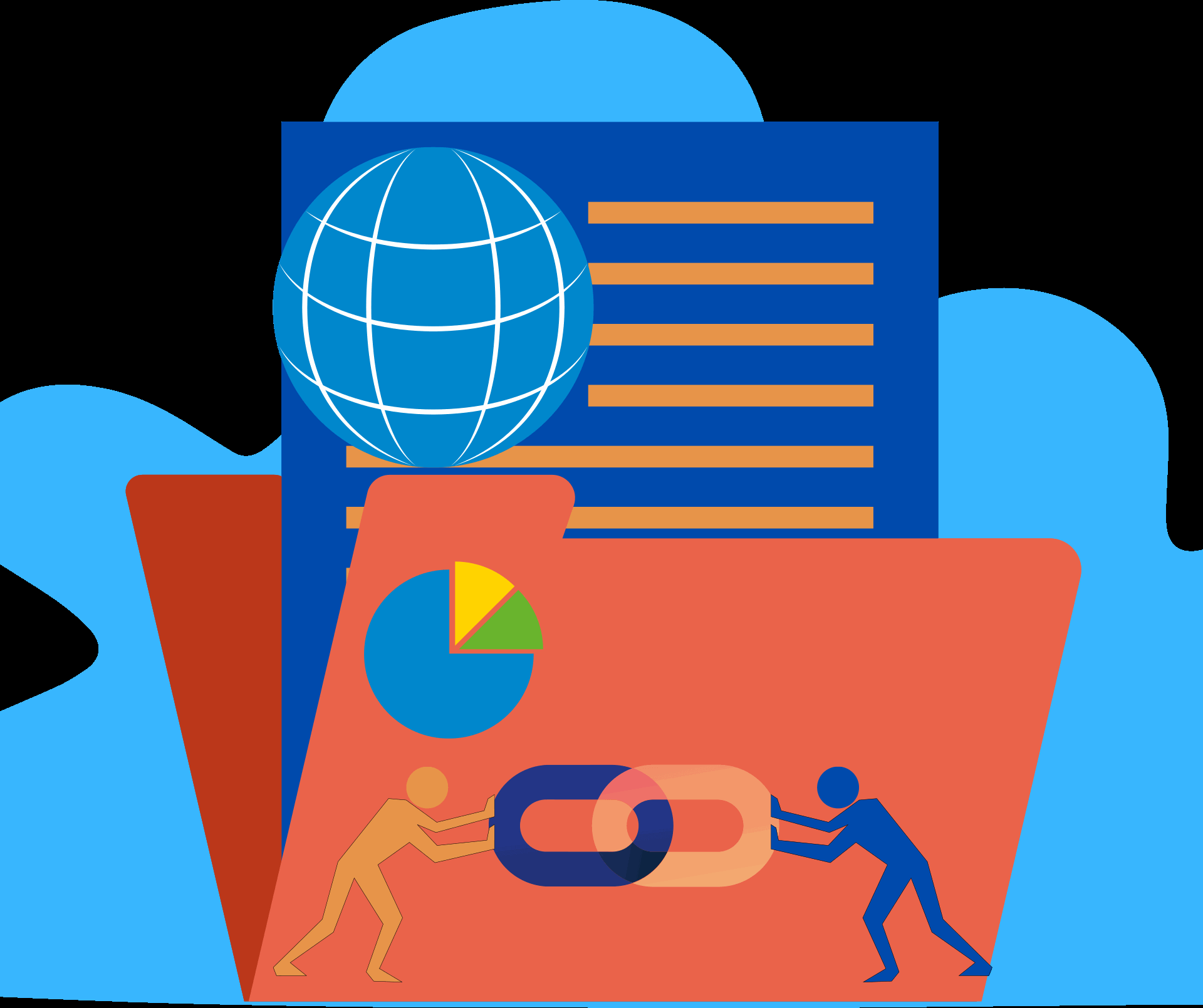
Link building is a crucial aspect of search engine optimization (SEO) that involves acquiring hyperlinks from other websites to your own. These hyperlinks, commonly referred to as “backlinks,” are essential for driving organic traffic and improving a website’s visibility on search engines like Google.
Why is Link Building Important?
- Improves Search Engine Rankings: Search engines use backlinks as a signal of a website’s authority and relevance. Websites with a higher number of quality backlinks tend to rank higher in search engine results pages (SERPs).
- Increases Referral Traffic: Backlinks from reputable websites can drive significant referral traffic to your site. This traffic is often more targeted and engaged, as it comes from users interested in your content.
- Builds Credibility and Authority: Earning backlinks from authoritative sites in your industry helps establish your website as a credible and trustworthy source of information.
- Enhances Discoverability: Search engines discover new content by crawling web pages and following links. Effective link building helps search engines find and index your content more efficiently.
Types of Link Building Strategies
- Content Creation and Promotion: Creating high-quality, valuable content that others want to link to is one of the most effective link-building strategies. This includes blog posts, infographics, videos, and research reports.
- Guest Blogging: Writing articles for other websites in your industry can help you earn backlinks. Ensure that the sites you guest blog for are reputable and relevant to your niche.
- Broken Link Building: This involves finding broken links on other websites and suggesting your content as a replacement. It’s a win-win situation, as it helps the website owner fix a broken link while earning you a backlink.
- Outreach: Reaching out to bloggers, journalists, and webmasters to promote your content and request backlinks. Personalized and well-crafted outreach emails can significantly increase your chances of success.
- Social Media and Influencer Marketing: Sharing your content on social media and collaborating with influencers can help you gain visibility and attract backlinks.
Best Practices for Link Building
Monitor Your Backlinks: Use tools like Google Search Console, Ahrefs, or Moz to track your backlinks and ensure they are from reputable sources.
Focus on Quality Over Quantity: It’s better to have a few high-quality backlinks from authoritative sites than many low-quality ones.
Avoid Black Hat Techniques: Practices like buying links or participating in link farms can lead to penalties from search engines. Always adhere to ethical link-building practices.
Diversify Your Link Profile: Aim to get backlinks from a variety of sources, including blogs, news sites, forums, and social media platforms.
One honest caveat on all of the above: link building is the single easiest SEO discipline to do damage with if you take shortcuts. A handful of genuinely relevant, editorially-earned links will outperform hundreds of low-quality directory links, and the latter can actively hurt you. If a vendor promises a specific link count per month, ask how they're getting them before you ask how many.